National Chemistry Week 2026: How Chemistry Protects Our World
Celebrate National Chemistry Week 2026 with the ACS theme Chemistry Protects. Learn how chemistry safeguards health, the environment, food, and materials, plus fun ways to participate.
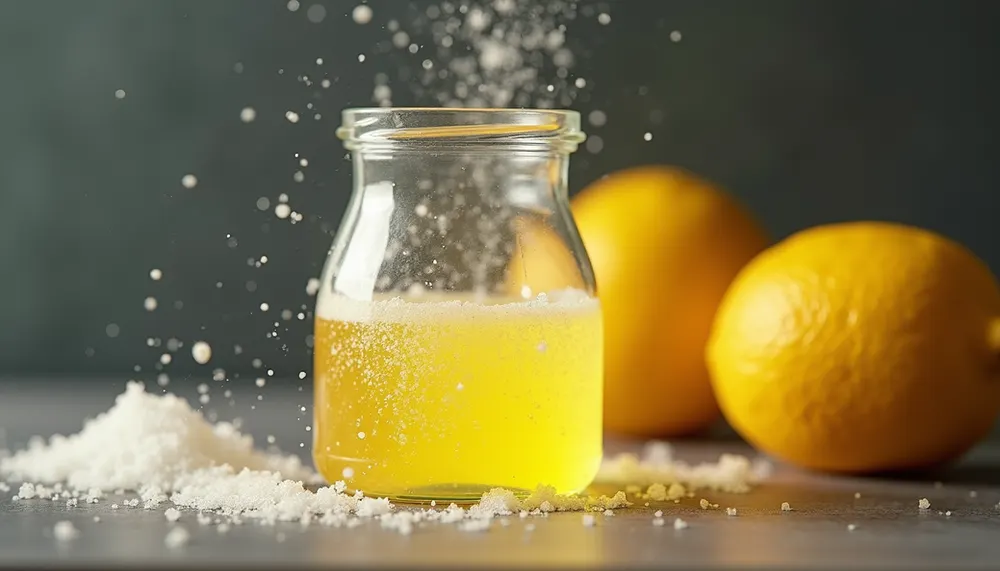
Every October, chemists, students, educators, and science enthusiasts across the United States come together for National Chemistry Week, a celebration of the central science and its impact on everyday life. Organized by the American Chemical Society, National Chemistry Week 2026 runs from October 18 through October 24 and carries the theme Chemistry Protects. This year's theme highlights the countless ways chemistry shields us from harm, from the medicines that fight disease to the materials that keep buildings standing. Whether you are a high school student just beginning your chemistry journey or a lifelong learner who appreciates the molecular world, National Chemistry Week is an invitation to explore, experiment, and celebrate the science that quietly protects every aspect of modern life.
What Is National Chemistry Week?
National Chemistry Week, commonly abbreviated NCW, is an annual public awareness campaign created by the American Chemical Society (ACS). The event was first held in 1987 with the goal of bringing chemistry out of the laboratory and into the public eye. Each year, the ACS selects a theme that connects chemistry to a topic people care about, making the science accessible and relevant. Past themes have explored chemistry's role in candy, the ocean, sports, and outer space. Local ACS sections across the country organize hands-on demonstrations, school visits, community events, and social media campaigns during the week. The celebration has grown into one of the largest public science outreach efforts in the United States, reaching millions of students and community members every year.
The 2026 Theme: Chemistry Protects
The 2026 theme, Chemistry Protects, turns the spotlight on chemistry's role as a guardian. Protection is woven into the fabric of chemistry in ways most people never notice. The sunscreen that shields your skin from ultraviolet radiation is a chemical formulation. The chlorine that makes tap water safe to drink is a chemical disinfectant. The fire retardant sprayed on wildfire perimeters is a chemical compound designed to slow combustion. The preservatives that keep food from spoiling during weeks of transport and storage are chemical additives carefully tested for safety. Chemistry Protects asks us to recognize these invisible shields and appreciate the research, innovation, and regulation that make them possible. It also challenges us to think about the future: how can chemistry develop new protections for emerging threats like antibiotic-resistant bacteria, microplastic pollution, and climate change?
How Chemistry Protects Our Health
The most direct way chemistry protects people is through medicine and public health. Every pharmaceutical drug begins as a molecule designed by medicinal chemists to interact with a specific biological target. Aspirin, one of the oldest and most widely used drugs, is acetylsalicylic acid, a compound first synthesized in a chemistry laboratory in 1897. Modern drug discovery uses computational chemistry, high-throughput screening, and structure-activity relationship studies to identify molecules that can treat diseases ranging from cancer to diabetes. The COVID-19 pandemic demonstrated the power of chemistry on a global stage: the mRNA vaccines developed by Pfizer-BioNTech and Moderna relied on decades of research in nucleic acid chemistry, lipid nanoparticle formulation, and cryogenic storage chemistry to deliver a protective immune response to billions of people.
Water purification is another critical area where chemistry protects health. Municipal water treatment plants use a multi-step chemical process that includes coagulation with aluminum sulfate or ferric chloride, flocculation, sedimentation, filtration, and disinfection with chlorine or chloramine. Each step relies on well-understood chemical reactions to remove pathogens, heavy metals, and organic contaminants. In regions without centralized water treatment, portable chemical purification tablets containing sodium dichloroisocyanurate or iodine provide a lifesaving barrier against waterborne diseases like cholera and typhoid. Analytical chemistry also plays a protective role through diagnostic testing. Blood tests, urinalysis, and rapid antigen tests all depend on chemical reactions that detect specific biomarkers, enabling early diagnosis and treatment of disease.
How Chemistry Protects the Environment
Environmental protection is inseparable from chemistry. Green chemistry, a field formalized by Paul Anastas and John Warner in the 1990s, is built on twelve principles that guide chemists to design products and processes that reduce or eliminate hazardous substances. These principles include using renewable feedstocks, designing for energy efficiency, preventing waste rather than treating it, and using catalytic reactions instead of stoichiometric reagents. Green chemistry has led to tangible improvements: water-based paints that replaced volatile organic solvent-based formulations, biodegradable plastics derived from corn starch and polylactic acid, and industrial processes that use supercritical carbon dioxide as a solvent instead of toxic organic chemicals.
Pollution monitoring depends on analytical chemistry techniques such as gas chromatography, mass spectrometry, and atomic absorption spectroscopy. These instruments can detect contaminants at parts-per-billion or even parts-per-trillion concentrations, allowing environmental scientists to identify pollution sources, track the spread of contaminants through air and water, and verify that cleanup efforts are working. Renewable energy technologies are also rooted in chemistry. Solar cells convert sunlight into electricity using semiconductor materials like silicon and cadmium telluride. Lithium-ion batteries store energy using electrochemical reactions between lithium cobalt oxide cathodes and graphite anodes. Hydrogen fuel cells generate electricity by combining hydrogen and oxygen in a reaction catalyzed by platinum. Each of these technologies exists because chemists understood and engineered the underlying reactions.
How Chemistry Protects Our Food
The global food supply depends on chemistry at every stage, from farm to table. Fertilizers containing nitrogen, phosphorus, and potassium, the three macronutrients essential for plant growth, are manufactured through chemical processes. The Haber-Bosch process, which synthesizes ammonia from atmospheric nitrogen and hydrogen gas, is arguably the most important chemical reaction in human history: it enabled the production of synthetic fertilizers that now feed roughly half the world's population. Without this single reaction, global food production would be a fraction of what it is today.
Food preservation chemistry extends the shelf life of products and prevents foodborne illness. Common chemical preservatives include sodium benzoate, which inhibits the growth of mold and bacteria in acidic foods; potassium sorbate, which prevents spoilage in cheese, wine, and baked goods; and sodium nitrite, which prevents the growth of Clostridium botulinum in cured meats. Food packaging also relies on chemistry: polyethylene terephthalate (PET) bottles are lightweight, shatter-resistant, and impermeable to gases, keeping beverages fresh. Modified atmosphere packaging replaces the air inside a sealed package with a mixture of nitrogen and carbon dioxide to slow oxidation and microbial growth in fresh produce and meats.
Food safety testing uses chemistry to detect contaminants before they reach consumers. Enzyme-linked immunosorbent assays (ELISA) detect allergens, pesticide residues, and mycotoxins. High-performance liquid chromatography (HPLC) quantifies additives and contaminants with high precision. Rapid test strips based on lateral flow immunoassay technology allow on-site screening at food processing facilities. These chemical tools form a protective net that catches hazards before they cause harm.
How Chemistry Protects Materials and Infrastructure
The built environment depends on chemistry for durability and safety. Corrosion, the gradual destruction of metals by chemical reactions with their environment, costs the global economy hundreds of billions of dollars each year. Chemistry fights corrosion through protective coatings, cathodic protection, and alloy design. Galvanization coats steel with a layer of zinc that corrodes preferentially, sacrificing itself to protect the underlying steel. Epoxy and polyurethane coatings create a physical barrier between metal surfaces and corrosive agents like water, salt, and acids. Stainless steel itself is a triumph of chemistry: adding chromium to iron creates a passive oxide layer on the surface that resists further oxidation.
Fire retardant chemistry protects buildings, textiles, and electronics. Flame retardant compounds work by interrupting the combustion process at the chemical level. Some release water or carbon dioxide when heated, diluting the flammable gases. Others form a char layer on the surface of a material, insulating the underlying material from heat. Halogenated flame retardants release halogen radicals that interfere with the free-radical chain reactions that sustain a flame. As environmental concerns about certain halogenated compounds have grown, chemists have developed phosphorus-based and nitrogen-based alternatives that provide fire protection with lower environmental impact.
Concrete, the most widely used construction material on Earth, is a product of chemistry. Portland cement is manufactured by heating limestone and clay in a kiln to produce clinite, which is then ground and mixed with gypsum. When cement is combined with water, a series of hydration reactions produce calcium silicate hydrate, the compound that gives concrete its strength. Chemists continue to improve concrete by developing self-healing formulations that use bacteria or encapsulated healing agents to seal cracks automatically, extending the lifespan of roads, bridges, and buildings.
Fun Ways to Celebrate National Chemistry Week 2026
National Chemistry Week is designed to be participatory, not passive. Here are several ways students, families, and educators can get involved during the week of October 18 through 24. First, try hands-on experiments at home. Classic demonstrations like making a baking soda and vinegar volcano, growing crystals from supersaturated sugar or salt solutions, or extracting DNA from strawberries using dish soap and rubbing alcohol are safe, inexpensive, and directly connected to real chemistry concepts. Second, attend a local ACS event. Many local ACS sections host public demonstrations at libraries, museums, and schools during NCW. Check the ACS website for events in your area.
Third, participate in the Chemists Celebrate Earth Week poster contest or the NCW illustrated poem contest, both organized by the ACS for students in kindergarten through twelfth grade. These contests encourage creative expression alongside scientific understanding. Fourth, explore chemistry through cooking. Baking bread demonstrates fermentation and the Maillard reaction. Making caramel illustrates thermal decomposition of sucrose. Pickling vegetables showcases acid-base chemistry. Fifth, share your chemistry enthusiasm on social media using the official NCW hashtag. Post photos of your experiments, share a chemistry fact, or explain how chemistry protects something in your daily life. Sixth, read a chemistry book or watch a documentary. Titles like The Disappearing Spoon by Sam Kean or the Periodic Table of Videos YouTube channel make chemistry entertaining and accessible.
Celebrate National Chemistry Week with MyChemLab AI
National Chemistry Week is the perfect time to dive deeper into chemistry, and MyChemLab AI is built to make that exploration engaging, accessible, and free. The platform's AI tutor, Dr. Sam, can answer your questions about any of the topics covered in this post, from how mRNA vaccines work at the molecular level to why stainless steel resists corrosion. Ask Dr. Sam to explain a concept, walk you through a reaction mechanism, or quiz you on what you have learned.
The compound explorer lets you investigate over 85 real compounds, examining their structures, properties, hazard classifications, and real-world applications. Curious about sodium hypochlorite, the active ingredient in bleach that protects against pathogens? Look it up. Want to understand the chemistry of polyethylene terephthalate, the plastic that protects your beverages? It is there. The interactive periodic table covers all 118 elements with detailed data on each one, making it easy to see how elemental properties connect to the protective roles chemistry plays in the real world.
For students who learn best through challenges, the quest system offers 51 gamified chemistry challenges across themed arenas. Earn experience points, level up, and build genuine chemistry knowledge while having fun. The entire platform is available in four languages — English, Spanish, Hindi, and Tamil — so language is never a barrier to learning. And it is completely free. No subscriptions, no paywalls, no hidden costs.
Whether you are a student celebrating your first National Chemistry Week or an educator looking for a tool to spark curiosity in your classroom, MyChemLab AI gives you a modern, interactive way to explore the science that protects our world every single day.